

What Exactly Does Attic Conversion Cost?
Free and without obligation
Find your contractor
Free and without obligation
Cost Estimate Attic Conversion
An attic conversion is a popular way to create extra living space. The costs vary greatly, depending on the size, insulation, finishing, and installations.
1. Average Guideline Prices
|
Type of Attic Conversion |
Indicative Costs (incl. VAT and labor) |
|
Basic attic conversion |
€15,000 – €25,000 |
|
Extensive attic conversion |
€25,000 – €40,000 |
|
Luxury attic design with custom work |
€40,000 – €60,000+ |
2. Price structure per component (indicative)
|
Component |
Cost indication |
|
Insulation (roof, floor, walls) |
€3,000 – €7,000 |
|
Construction work (roof windows, dormer windows) |
€5,000 – €15,000 |
|
Electrical work and heating |
€2,000 – €5,000 |
|
Finishing (walls, floors, ceilings) |
€4,000 – €10,000 |
|
Stairs and balustrades |
€1,000 – €3,000 |
|
Permits and drawings |
€500 – €1,500 |

3. Factors that influence the costs
- Accessibility of the attic and supporting structure
- Choice and number of skylights or dormer windows
- Insulation requirements and ventilation facilities
- Finishing level and custom solutions
- Adjustments to stairs and access
- Permit requirement and architectural design
4. Saving tips
- Choose standard skylights instead of dormer windows
- Limit customization and luxury finishes
- Perform preparatory work yourself (e.g. demolition, cleaning)
- Request multiple quotes and compare carefully
Conclusion
An attic conversion can range from a simple conversion to a luxurious
living space with all comfort. A detailed quote and good preparation
are essential for a realistic cost estimate.
Factors Affecting the Price – Attic Conversion
The price of an attic conversion is influenced by various factors related to the technical execution, the design and the chosen finish. A good understanding helps in making conscious choices and monitoring the budget.
1. Scope of the renovation
- The number of square meters that are being renovated largely determines the material costs and labor.
- Larger attics offer economies of scale, but require more investments.
2. Insulation and Ventilation
- The type and thickness of insulation (roof, floor, walls) affect the price.
- Good ventilation facilities are necessary and can incur additional costs.
3. Construction work
- Adjustments such as installing skylights, dormers or reinforcing load-bearing structures increase costs.
- Complex roof shapes require more customization.
4. Installations
- Electrical work, lighting, heating (e.g. radiators, underfloor heating) are extra items.
- Any adjustments to the central heating system or supply of ventilation.
5. Finishing and furnishing
- Choice of materials for walls, floors, ceilings and fitted wardrobes determines the price level.
- Luxury finishing, custom furniture and special lighting are cost-increasing.
6. Accessibility
- Difficult accessibility of the attic can involve extra labor costs.
- Adjustment or relocation of the stairs increases the price.

7. Permits and drawings
- Permit requirement can affect the lead time and costs.
- Architect and drawing costs are often a fixed part of the budget.
8. Market conditions and region
- Labor and material costs vary by region and may fluctuate due to market conditions.
- Seasonal influences can temporarily increase the price.
Conclusion
The price of an attic conversion is determined by technical, functional and
aesthetic choices. Clear planning and clear agreements are essential
for a cost-conscious execution.
Roof Window versus Dormer – A Comparison
When increasing light and living space in attics, the choice between a roof window and a dormer is an important consideration. Both options have their own characteristics, costs and benefits.
1. Roof Window
Characteristics
- Is placed in the roof surface, usually tiltable or pivotable
- Limited expansion of the floor area
- Fast and relatively simple installation
Cost indication
- Price per roof window (including installation): €1,000 – €2,500
- Depending on size, type of glass and placement complexity
Advantages
- Lower costs and shorter construction time
- Less intrusive in roof construction
- Fewer permit requirements, often permit-free
Disadvantages
- Limited extra space and headroom
- Less flexibility in placement and size
2. Dormer
Features
- Extension above the roof surface with vertical facade and window
- Increases the floor space and increases the living space
- Usually equipped with a flat or sloping roof
Cost indication
- Price per dormer (3 meters wide): €5,000 – €10,000+
- Depending on dimensions, material choice and finish
Advantages
- More extra living space and headroom
- Better options for multiple or larger windows
- Increases property value through more usable space
Disadvantages
- Higher costs and longer construction time
- Usually requires a permit, depending on the municipality
- More complex roof adjustments and construction
3. Considerations when choosing
|
Aspect |
Roof window |
Dormer |
|
Costs |
Lower |
Higher |
|
Space saving |
Small |
Large |
|
Construction time |
Short |
Long |
|
Permit |
Often not required |
Usually required |
|
Aesthetics |
Minimalist |
More visible, can change the appearance of the house |
|
Increase in value |
Limited |
Significant |
Conclusion
The choice between a roof window and a dormer depends on budget, desired extra space,
aesthetic preference and permit requirements. A roof window is suitable for light
expansion with a limited budget, while a dormer adds more space and value
at a higher cost.
Insulation – Home Renovations
Insulation is an essential part of energy-efficient and comfortable homes. Good insulation contributes to lower energy costs, better temperature control and reduction of moisture problems.
1. Types of insulation
- Roof insulation:
- From the inside with insulation boards or rolls
- Cavity insulation for sloping roofs
- Insulating attic floors for unused attics
- Facade insulation:
- Cavity wall insulation (common and effective)
- Interior wall insulation for cavity walls without space
- Exterior wall insulation for monumental buildings or optical improvement
- Floor insulation:
- Insulation under the floor, often in crawl spaces
- Plates or foam as a thermal barrier
- Window insulation:
- HR++ glass standard, triple glass for higher insulation value
- Insulating frames made of wood, plastic or aluminum
2. Advantages of good insulation
- Reduction of heating costs up to 30-50%
- Improved living comfort due to constant indoor temperature
- Reduction of noise pollution
- Positive contribution to energy label of the house
- Prevention of moisture and mold problems
3. Cost indication Insulation
|
Type of insulation |
Estimated price per m² (incl. installation) |
|
Roof insulation |
€20 – €50 |
|
Cavity wall insulation |
€15 – €30 |
|
Interior wall insulation |
€40 – €70 |
|
Floor insulation |
€20 – €40 |
|
HR++ glass |
€350 – €500 per m² |
|
Triple glass |
€500 – €700 per m² |
4. Subsidies and financing
- Various national and local subsidies available for insulation measures
- Possibility of energy saving loan with favorable conditions
- Often combination subsidies for multiple energy-saving investments
5. Important Considerations
- Quality and correct thickness of insulation material determine effectiveness
- Careful placement prevents thermal bridges
- Ventilation must be adjusted to prevent condensation
- Insulation can be combined with other energy-saving measures
Conclusion
Investing in good insulation provides both financial savings and
living comfort. It is an indispensable part of sustainable home improvement.
Layout – Home Renovations
A well-thought-out layout is crucial for optimally utilizing the available space and increasing living comfort. During renovations, it is important to balance both functional and aesthetic aspects.
1. Create Functional Zones
- Divide the house into clear zones such as living, sleeping, working, and recreation.
- Ensure logical and efficient routing between spaces.
2. Open Versus Closed Spaces
- Open floor plans create space and light, promoting social interaction.
- Closed spaces offer privacy and sound insulation.
- Alignment with lifestyle and wishes is essential.
3. Space utilization
- Make optimal use of niches, corners and unused spaces (e.g. under stairs).
- Consider multifunctional furniture or built-in wardrobes to save space.
4. Connection inside and outside
- Create a smooth transition to the garden, terrace or balcony through large windows or sliding doors.
- Outdoor spaces can serve as an extension of the living space.
5. Accessibility and flexibility
- Consider future needs, such as lifetime resistance.
- Ensure wide passages, sufficient light and adaptable spaces.
6. Lighting and sightlines
- Plan the layout so that natural light enters to the maximum extent.
- Consider sightlines for a spacious feeling.
7. Installations and technology
- Position sanitary and electrical facilities logically and efficiently.
- Consider the space required for technology, such as central heating boilers or ventilation.
Conclusion
A smart layout is the basis for a comfortable, practical and
attractive home. Timely involvement of an architect or
interior designer can offer much added value.
Staircase – Home Renovations
The staircase is a functional and visual element in homes. During renovations, the choice of staircase type, material, and placement plays an important role in the appearance and usability of the space.
1. Types of stairs
- Straight staircase: simple and space-saving, often the cheapest option.
- Staircase with quarter or half turn: makes more efficient use of space, popular in residential homes.
- Spiral staircase: modern and elegant, takes up relatively little space.
- Circular staircase: compact choice, suitable for smaller spaces or as a second staircase.
- Staircase with landing: comfortable and safe, often used for greater heights.
2. Materials
- Wood: warm and traditional, suitable for almost any style.
- Metal: industrial and modern, often combined with glass or wood.
- Concrete: robust and durable, often poured or delivered prefabricated.
- Combinations: wood with steel, glass with metal, for a modern look.
- Space and placement: available space determines the type of staircase and design.
- Safety: proper stair dimensions, non-slip finish and railings are essential.
- Aesthetics: the staircase also determines the atmosphere and style of the interior.
- Accessibility: pay attention to comfort and ease of use, especially for the elderly and children.
- Constructional aspects: connection to floors and supporting structures must be firm.
- Delivery time varies from a few weeks to several months depending on customization and material selection.
- Assembly requires craftsmanship and can take several days to weeks.
3. Cost indication
|
Stair type |
Indicative price (including installation) |
|
Straight staircase |
€1,500 – €3,500 |
|
Staircase with quarter or half turn |
€2,500 – €5,000 |
|
Alternating tread stairs |
€3,000 – €6,000 |
|
Spiral staircase |
€2,000 – €4,500 |
|
Staircase with landing |
€5,000 – €10,000 |
4. Important considerations
5. Assembly and delivery time
Conclusion
The staircase is an essential element that must be functional and stylishly connected
to the home. Good planning, material selection and craftsmanship are crucial for
the success of the staircase renovation or new construction.
Finishing – Home Renovations
The finishing largely determines the appearance, comfort and durability of a home after renovation. A careful choice of materials and techniques is essential.
1. Floors
- Materials: laminate, parquet, PVC, tiles, natural stone
- Considerations: durability, maintenance, appearance and price
- Cost indication: €20 – €100+ per m², depending on material and placement
2. Walls and ceilings
- Treatment: painting, wallpapering, stucco, wood panelling
- Moisture-resistant finish: important in wet areas such as bathrooms and kitchens
- Cost indication: €15 – €60 per m², depending on material and finish
3. Doors and window frames
- Materials: wood, plastic, aluminum
- Style: modern, classic, minimalist
- Cost indication: €300 – €1,500 per piece, including installation
4. Stairs and balustrades
- Materials and finish tailored to interior style
- Safety and ease of use are paramount
- Costs range from €1,500 to €10,000 depending on design and material
5. Sanitary and kitchen finishing
- Finishing of faucets, countertops, cabinets and tiles
- Durable and easy-to-maintain materials are desirable
- Costs strongly depend on brand and customization
6. Lighting and electrics
- Recessed spotlights, pendant lights, dimmers and smart systems
- Professional installation for safety and functionality
- Costs depend on complexity and number of points
7. Other Finishing
- Skirting boards, moldings, window decoration, wall covering
- Functional and aesthetic details that enhance the overall picture
Conclusion
The finishing determines the atmosphere and ease of use of the house after renovation.
Choose materials and techniques that match the wishes, the budget and the
future load.
Other Costs – Renovation Projects
In addition to direct construction and material costs, there are various additional costs that affect the total budget. It is essential to include these in the financial planning.
1. Permits and fees
- Costs for applying for building permits, environmental permits and any exemptions
- Vary by municipality and type of project
2. Advice and design costs
- Architect, structural engineer, interior designer or architectural draftsman
- Fees vary depending on the size and complexity of the project
3. Construction supervision and project management
- Hiring an independent construction supervisor or project manager for quality control and planning
- Especially recommended for larger projects
4. Transport and storage
- Delivery of materials to the construction site
- Storage costs if materials cannot be processed directly
5. Waste disposal and cleaning
- Removal of construction waste, debris and old materials
- Final cleaning after completion of the project
6. Temporary facilities
- Construction site office, temporary electricity and water connections
- Barriers and security of the construction site
7. Financing costs
- Interest and administration costs when taking out a construction loan or mortgage increase
- Advisory fees for financing
8. Unforeseen costs
- Reserve for unexpected circumstances such as soil problems, hidden defects or extra wishes
- Advice is to maintain a buffer of 10% – 15% of the total budget
Conclusion
A complete cost estimate includes more than just construction and material costs. Including
these other costs prevents budget overruns and ensures
a realistic financial planning.
Price examples – Renovation projects
The following examples give an impression of the costs associated with various common renovations. All amounts include VAT, labor and materials.
Example 1: Small renovation – Bathroom renovation (4 m²)
- Simple renovation with standard sanitary ware and tiles
- No change in plumbing
- Basic finish
Price indication:
€6.000 – €9.000
Example 2: Medium-sized renovation – Extension (15 m²)
- Extension with prefab or traditional construction method
- Concrete foundation, electricity and heating connected
- Basic finish inside and out
Price indication:
€30.000 – €45.000
Example 3: Major renovation – Attic conversion (25 m²)
- Complete finishing with insulation, floors, walls and electricity
- Installation of roof windows or dormer windows
- Staircase adjustment and ventilation
Price indication:
€40,000 – €60,000
Example 4: Luxury renovation – Complete kitchen and living room renovation (40 m²)
- Custom kitchen, high-quality finish
- Underfloor heating, LED lighting and home automation
- Extensive technical installations
Price indication:
€75,000 – €120,000
Example 5: Complete home renovation (100 m²)
- Including facade work, roof insulation, new installations
- High-quality finishing and energy-saving measures
- Architect and construction supervision
Price indication:
€200,000 – €350,000
Please note:
The prices mentioned are indicative and may vary due to location,
material selection, complexity and market conditions. A detailed quote is
necessary for an accurate price quote.
Saving Tips – Renovation Projects
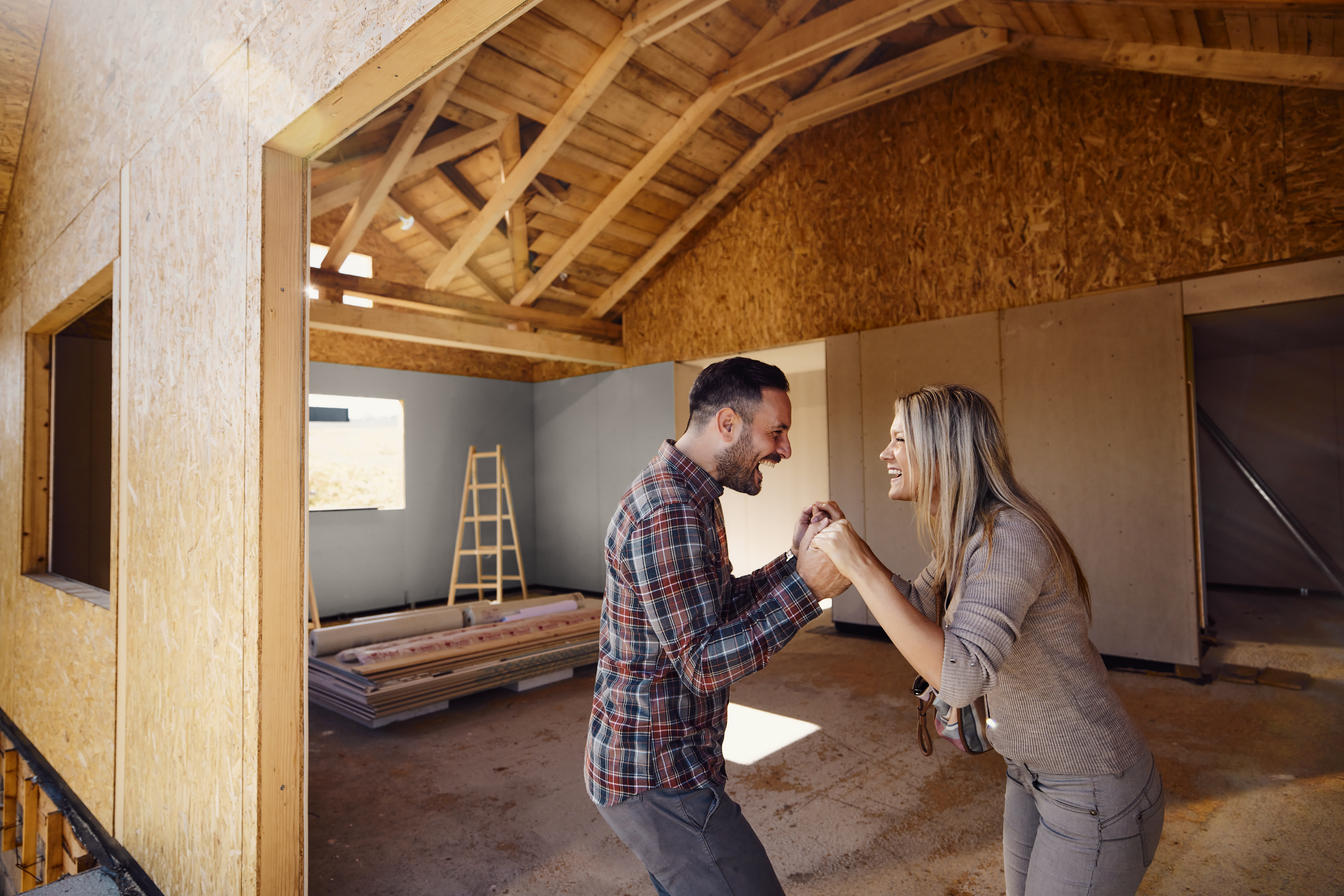
A renovation can be costly, but with a smart approach and good preparation, savings are possible without reducing quality. Below are practical tips to control costs.
1. Make a detailed plan
- Avoid unforeseen costs by having a complete and clear design.
- Plan the order of work carefully.
2. Compare quotes
- Request multiple quotes and compare not only on price, but also on quality and service.
- Pay attention to which activities and materials are included.
3. Choose standard materials
- Use common materials and finishes instead of exclusive or custom options.
- Consider remnants or showroom models.
4. Perform preparatory tasks yourself
- Consider demolition, cleaning, or painting to save on labor costs.
- Ensure safe execution and consider time investment.
5. Limit changes during construction
- Changes lead to extra costs and delays.
- Stick to the original plan as much as possible.
6. Combine activities
- Plan multiple activities at the same time to limit transport and labor costs.
7. Plan outside the peak season
- Tradespeople are often cheaper and more readily available in the spring and autumn than in the summer.
8. Inquire about subsidies
- Take advantage of available subsidies for energy-saving measures or sustainable building.
9. Keep a financial buffer
- Reserve 10% – 15% of the budget for unforeseen costs.
10. Work with a reliable contractor
- A good contractor prevents mistakes and delays, which saves extra costs.
Conclusion
Saving costs during a renovation is feasible with careful planning,
smart material choices and active involvement. This keeps the project
affordable and of high quality.