

Pest control
Free and without obligation
Find your contractor
Free and without obligation
Cost of Pest Control in the Netherlands
Engaging a professional pest controller in 2025 involves variable costs, depending on the type of pest, the severity of the nuisance, and the chosen approach. Below you will find an overview of the average rates per type of pest, based on current data.
Average Costs per Type of Pest
|
Type of pest |
Average costs |
|
Wasps |
€70 – €125 per nest |
|
Mice |
€65 – €95 per visit |
|
Rats |
€120 – €250 per infestation |
|
Cockroaches |
€150 – €300 per treatment |
|
Ants |
€80 – €150 per treatment |
|
Fleas |
€100 – €180 per treatment |
|
Bed bugs |
€200 – €450 per treatment |
|
Woodworm / Longhorn beetle |
€250 – €1,000+ depending on the size |
|
Silverfish |
€90 – €175 per treatment |
|
Moles |
€80 – €100 per lawn |
Factors Affecting the Cost
The final price for pest control is influenced by various factors:
- Type of pest: Different pests require specific control methods.
- Extent of the infestation: A small infestation is cheaper to treat than an extensive one.
- Accessibility: Difficult to reach locations can increase costs.
- Number of treatments required: Some pests require multiple treatments for an effective result.
- Preventive measures: Sealing cracks or installing grates can incur additional costs.
Self Control vs. Professional Help
While it is possible to control some forms of pests yourself with DIY methods, this is often not effective for larger infestations. Professional pest controllers have the right knowledge and resources to tackle an infestation thoroughly and safely. In addition, they can advise on preventive measures to prevent future nuisance.
Recommendation
For an accurate estimate of the costs, it is advisable to request multiple quotes from recognized pest controllers in your region. This allows you to compare prices and services so that you can make an informed choice. When comparing, pay attention not only to the price, but also to the service and guarantees offered.
What is Pest Control?
Pest control is the entirety of methods and techniques used to control and remove unwanted animals, such as insects, rodents, and other pests. This process is essential for ensuring hygiene, safety, and comfort in both homes and commercial properties.
Purpose and Importance of Pest Control
The primary goal of pest control is to prevent and combat nuisance and damage caused by pests. Pests can:
- Cause health risks by spreading bacteria, viruses, and parasites. Think of rats that can transmit diseases, or cockroaches that can contaminate food.
- Cause material damage, for example, woodworm that attacks wooden constructions, or mice that can chew through electrical wiring.
- Cause nuisance, such as noises, pollution from excrement, and an unpleasant living environment.
Effective pest control therefore contributes to a healthy and safe living and working environment.
Methods of Pest Control
Professional pest control makes use of various methods, tailored to the type of pest and the location:
- Preventive measures: This includes closing off access routes, sealing cracks and seams, and improving hygiene to prevent pests from entering.
- Mechanical control: For example, placing traps or mousetraps.
- Chemical control: The use of insecticides, rodenticides or other pesticides, with emphasis on safe and responsible application.
- Biological control: Sometimes natural enemies are used, such as certain types of insects that control pests.
- Physical methods: Such as heat treatments or steam treatments to kill pests.
Professional Pest control via jeofferte.nl
Through a specialized platform such as jeofferte.nl you can easily get in touch with recognized pest controllers who guarantee quality and reliability. The professionals provide customized advice, carry out inspections, draw up a control plan and ensure the right aftercare. This prevents the return of the pests and ensures a sustainable solution.
Conclusion
Pest control is an important part of maintaining a safe, clean and healthy living environment. By applying effective control methods, the impact of pests is limited and potential risks to health and property are minimized. Professional help offers the best guarantee for a successful and sustainable approach.
Responsibility for Pest Control
Determining responsibility for pest control is essential for effectively and promptly addressing pest problems. Both private homeowners and businesses and landlords can be responsible for controlling and preventing pests in various situations.
Responsibility for Individuals
As the owner or tenant of a home, the primary responsibility for preventing and controlling pests usually lies with the resident themselves. This means that one must ensure:
- Good hygiene and preventing food scraps that attract pests.
- Timely signaling and reporting of pest problems.
- Taking measures themselves or hiring a professional pest controller if necessary.
In the case of rental properties, the landlord is often responsible for structural measures that can prevent pests, such as sealing cracks and seams or maintaining the building.
Responsibility at Business Buildings
For companies, shops, restaurants and other business locations, there is a legal obligation to ensure a clean and safe environment. This means that:
- Companies take preventive measures to prevent pests.
- If pests are detected, timely action is taken, for example through professional control.
- Food processing companies and restaurants must strictly comply with hygiene and safety standards in accordance with the Commodities Act and HACCP regulations.
In many cases, it is mandatory to conclude a contract with a recognized pest controller for periodic inspections and control actions.
Responsibility at Owners Associations (VvE)
In apartment complexes, the responsibility for pest control usually lies with the Owners Association. The VvE is responsible for the maintenance of common areas and preventing nuisance to residents. Individual residents are themselves responsible for their private home, unless the nuisance originates from common areas.
Legal and Contractual Aspects
The responsibility for pest control can also be stipulated in:
- Lease agreements, which describe obligations for landlord and tenant.
- General terms and conditions and regulations, such as the Environmental Management Act and the Commodities Act Decree on Hygiene of Foodstuffs.
- Local municipal regulations that may impose requirements on pest control, especially in case of nuisance.
Advice for Effective Division of Responsibilities
It is advisable to clarify in advance who is responsible for what, especially in situations with multiple parties (such as rental, commercial properties or homeowners' associations). This prevents unnecessary conflicts and ensures a quick and effective approach to pest problems.
Via specialized platforms such as jeofferte.nl interested parties can easily get in touch with recognized pest controllers who not only take care of the control, but also provide advice on preventive measures and responsibilities. This promotes a sustainable and professional approach to pest problems.
Types of Pests and Control Methods
Pest control is custom work; the approach depends heavily on the type of pest present. Below is an overview of common types of pests in the Netherlands and the common control methods used for this.
Common Pest Types
1. Mice and Rats
These rodents are mainly found in and around homes and businesses. They can transmit pathogens and cause damage to insulation, wiring and food supplies.
2. Wasps
Wasps pose a risk during the summer and early autumn. They can be aggressive and cause stings, which is especially dangerous for people with allergies.
3. Cockroaches
Cockroaches thrive in warm, humid environments and are notorious for their rapid reproduction and the spread of bacteria.
4. Ants
Ants are often a nuisance due to their presence in houses and gardens. Some species can cause damage to wood structures.
5. Bed Bugs
These small parasites feed on human blood and can cause skin irritations and sleep disturbances.
6. Fleas
Fleas are often associated with pets and can also bite people, causing discomfort and allergic reactions.
7. Woodworm and Longhorn Beetle
These insects attack wooden structures and furniture, which can lead to structural damage.
8. Silverfish
Silverfish are mainly a nuisance due to their presence in damp areas, such as bathrooms and kitchens.
9. Moles
Moles dig tunnels in lawns and gardens, which can cause damage to the grass and root systems.
Control Methods per Pest
Mice and Rats
- Mechanical: Placement of traps and cages.
- Chemical: Use of rodenticides (poison), with safety for humans and pets as a priority.
- Preventive: Sealing holes and cracks to prevent access.
Wasps
- Removal of nests: Professional removal of the nest, often in the early morning or late evening.
- Use of attractants: Attractants to catch and control wasps.
Cockroaches
- Chemical: Application of insecticides and bait boxes.
- Hygiene improvement: Prevention of food residues and moisture.
Ants
- Lures: Use of ant bait boxes with slow- acting poison.
- Physical: Removal of nests and sealing of access routes.
Bed bugs
- Heat treatment: Heating the room to temperatures above 50°C.
- Chemical: Professional application of insecticides.
- Inspection and aftercare: Repeated checks to prevent recontamination.
Fleas
- Treatment of pets: Use of anti-flea products.
- Environmental treatment: Spraying or fogging of rooms.
- Vacuuming and cleaning: Regular cleaning of floors and furniture.
Woodworm and Longhorn beetle
- Chemical: Injection or treatment of wood with special pesticides.
- Preventive: Treatment of wood during new construction or renovation.
Silverfish
- Moisture control: Reducing moisture in spaces.
- Chemical: Application of insecticides.
Moles
- Traps: Use of special mole traps.
- Defense: Use of sound or vibrations to repel moles.
Professional Pest Control and Advice via jeofferte.nl
For every type of pest, it is wise to engage a specialist. This professional determines the most effective and safe method, taking into account the specific situation and any risks. Via jeofferte.nl you can request multiple quotes and thus the right select a party that guarantees quality and reliability.
Mice: Nuisance, Dangers and Control
Mice are one of the most common forms of pests in both private homes and business premises. Their presence can lead to significant nuisance and health risks, making timely and effective control essential.
Characteristics and Behavior of Mice
Mice are small rodents that reproduce quickly and easily adapt to different living conditions. They are mainly active at night and look for sheltered places near food and water sources. Common hiding places are kitchen cabinets, walls, attics and basements.
Dangers and Damage by Mice
The presence of mice can cause various problems:
- Health risks: Mice can transmit pathogens such as salmonella, leptospirosis and hantavirus through feces, urine and saliva.
- Material damage: Mice gnaw on insulation materials, cables and furniture, which can lead to short circuits and structural damage.
- Food contamination: Food contaminated by mice is unsuitable for consumption.
- Nuisance: The gnawing, nesting material and excrement create unpleasant living conditions.
- Seal cracks, holes and other possible entrances with steel wool, sealant or special sealing material.
- Seal food well and do not leave food scraps lying around.
- Regularly clean and tidy up possible hiding places.
- Mechanical traps: Traditional snap traps or electronic traps are often used.
- Chemical control: Use of rodenticides by specialized pest controllers, always with attention to the safety of humans and pets.
- Monitoring and aftercare: Regular checks to detect new activity and prevent re-infestation.
Effective Mice Control
Preventive Measures
Professional Control
Costs and Hiring Professionals
The average costs for mouse control range between approximately €65 and €95 per visit, depending on the severity and location of the infestation. Professional pest controllers guarantee a safe and effective approach, with advice on prevention to avoid recurrence.
Via platforms like jeofferte.nl you can easily request multiple quotes from recognized specialists, which helps to find a reliable and cost-effective solution.
Conclusion
Mice pose a serious threat to the health and comfort in the home and business. Timely signaling, prevention and hiring professional pest control are crucial to address the problems quickly and sustainably.
Wasps: Nuisance, Dangers and Control Methods
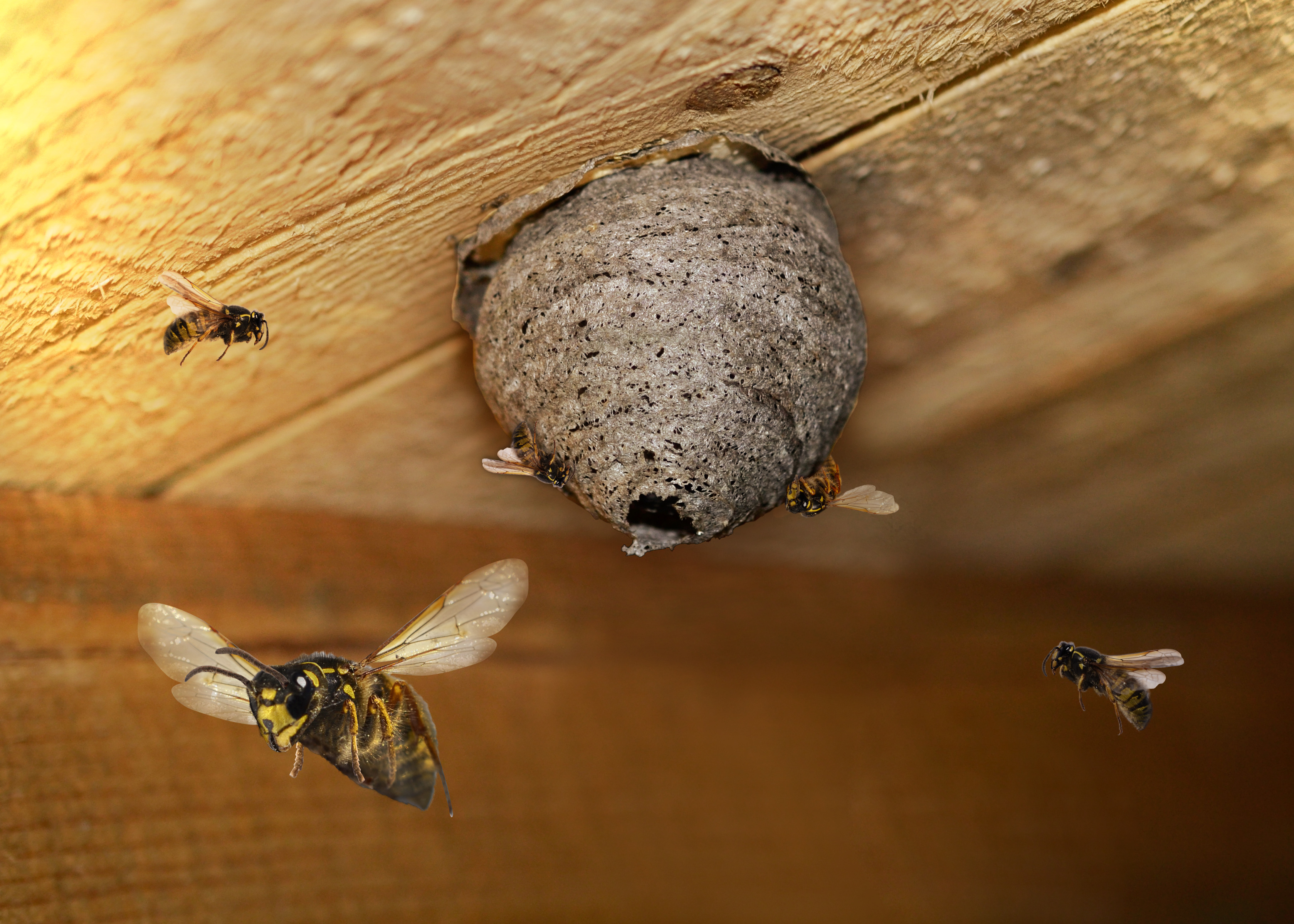
Wasps are most active in the warmer months of the year and can cause significant nuisance in residential and outdoor environments. Although they play a useful role in nature, their stings can be dangerous, especially for people with allergies.
Characteristics and Behavior of Wasps
Wasps live in colonies built around a nest. They are mainly active from late spring to early autumn. Wasps are often attracted to sweet smells and food scraps, which explains their presence around terraces, picnic areas and garbage cans.
Dangers and Nuisance caused by Wasps
- Sting risk: Wasps can cause stings that are painful and in some cases can trigger allergic reactions, up to and including anaphylaxis. This makes a quick and expert approach important.
- Nuisance: Groups of wasps around homes or in gardens can seriously limit outdoor living.
- Nesting: Wasps build nests in sheltered places such as under eaves, in sheds, or in tree cavities.
Control Methods for Wasps
Professional Removal of Wasp Nests
- The safe and effective removal of the nest by certified specialists is the most recommended approach.
- Removal usually takes place in the early morning or late evening, when wasp activity is minimal.
- Special control agents and protective clothing are used to minimize risks.
Preventive Measures
- Prevent attracting wasps by covering food and sweet drinks.
- Ensure good waste management, with waste bins properly closed.
- Inspect the house regularly for possible nesting sites and close holes and cracks.
Cost of Wasp Control
The costs for professionally removing a wasp nest typically range between €70 and €125, depending on the size and location of the nest. Given the risks and complexity of the control, engaging a specialist is strongly recommended.
Reliable Help via jeofferte.nl
For a safe and professional approach, it is advisable to engage a certified pest controller. Via jeofferte.nl you can easily compare multiple quotes and select a reliable party that will efficiently and carefully solve the wasp infestation for you.
Summary
Wasps, despite their ecological value, can cause significant nuisance and health risks. A timely and professional approach is essential to minimize risks and restore the enjoyment of living. Prevention in combination with expert control offers the best guarantee for a safe living environment.
Woodworm: Characteristics, Dangers, and Control Methods
Woodworm is a collective name for the larvae of various wood-destroying beetles, such as the common furniture beetle. These larvae live in and feed on wood, which can lead to serious structural damage to wooden structures and furniture.
What is Woodworm?
The term 'woodworm' refers to the larval stage of certain beetles that feed on wood fibers. The adult beetle lays its eggs in wood, after which the larvae develop by boring through the wood. This phase can last several years, depending on the type of wood and environmental factors.
Dangers and Damage from Woodworm
- Structural damage: Woodworm can affect load-bearing structures, such as beams, floors and stairs, which can endanger the safety of a building.
- Aesthetic damage: Also furniture, wooden ornaments and frames can be seriously damaged.
- Value reduction: An infestation can significantly reduce the market value of a home.
- Spread: Without timely control, woodworm larvae can spread to other wooden parts.
- Small round holes in wood surfaces (2-3 mm diameter).
- Wood dust (bore dust) under or near affected wood.
- Weakened or brittle wooden parts.
- Sometimes the beetles themselves are visible, especially in the summer.
- Application of special wood preservatives that penetrate deep into the wood and kill the larvae.
- Usually wood surfaces are treated with a brush, spray or injections.
- Replacement of severely affected wood.
- Ensure good ventilation and moisture control, as woodworm thrives in damp conditions.
- Inspections prior to purchase or renovation to detect infestation early.
- Experts conduct a thorough inspection to determine the extent of the infestation.
- They determine the appropriate control method and carry it out carefully.
- Aftercare and monitoring to prevent re-infestation.
Recognizing Woodworm
Common signs of woodworm include:
Effective Control Methods
Chemical Treatment
Physical and Preventive Methods
Professional Inspection and Treatment
Costs of Woodworm Control
Costs vary greatly depending on the extent of the infestation and the type of treatment. For small pieces of furniture, it can cost several hundred euros, while large structural treatments or replacement of wood can cost thousands of euros.
Reliable Help via jeofferte.nl
Because woodworm control is specialized work that requires customization, it is advisable to engage recognized pest controllers. Via jeofferte.nl you can quickly and easily request multiple quotes and thus select the most suitable expert for a qualitative and reliable treatment.
Conclusion
Woodworm poses a serious threat to wooden structures and furniture. Early detection and professional control are crucial to limit damage and ensure safety. Preventive measures and periodic inspections help prevent future infestations.
Cockroaches: Nuisance, Dangers and Control Methods
Cockroaches are among the most persistent and unwanted pests in homes and commercial buildings. Due to their rapid reproduction and the ability to maintain themselves in various environments, they pose a serious threat to hygiene and health.
Characteristics and Behavior of Cockroaches
Cockroaches are nocturnal insects that prefer warm, humid places with access to food. They often hide during the day in crevices, behind equipment, under sinks and in crawl spaces. The most common species in the Netherlands are the German cockroach and the American cockroach.
Dangers and Nuisance caused by Cockroaches
- Health risks: Cockroaches can transmit bacteria and pathogens, such as salmonella and E. coli, through contact with food and kitchen utensils. This increases the risk of food poisoning.
- Allergies and asthma: Excrement, skin debris and secretions from cockroaches can cause allergic reactions and asthmatic symptoms.
- Rapid reproduction: A plague can spread exponentially within a short time, which makes control complex.
- Unsanitary impression: The presence of cockroaches seriously damages the reputation of companies, especially in the hospitality industry.
Control Methods for Cockroaches
Professional Chemical Control
- Use of special insecticides and bait boxes to control cockroaches.
- Targeted application to places where cockroaches hide.
- Multiple treatments may be necessary due to their rapid reproduction.
Preventive Measures
- Improve hygiene: Remove food residues immediately and keep surfaces clean.
- Avoid damp places where cockroaches like to settle.
- Seal seams, cracks and fissures to restrict access.
Monitoring and Aftercare
- Regular inspections to check the effectiveness of the control.
- Long-term aftercare is often necessary to prevent re-infestation.
Cost of Cockroach Control
The average cost for professional cockroach control is between €150 and €300 per treatment, depending on the severity and extent of the infestation. More complex and persistent infestations can incur higher costs.
Reliable Pest Control via jeofferte.nl
For an effective and safe approach to cockroach infestations, it is wise to engage recognized specialists. Via jeofferte.nl you can easily compare multiple quotes and thus a choose a reliable and expert pest controller that suits your situation.
Summary
Cockroaches pose a serious threat to hygiene and health in living and working environments. Due to their rapid reproduction and the risk of disease, professional control combined with prevention is indispensable. Timely action prevents expansion and contributes to a safe and clean living environment.
Bed Bugs: Nuisance, Dangers, and Control Methods
Bed bugs are small parasitic insects that feed on human blood. Although they do not transmit diseases, they cause significant nuisance and can lead to health problems and psychological stress.
Characteristics and Behavior of Bed Bugs
Bed bugs are approximately 4-5 millimeters in size, brown in color, and nocturnal. They hide during the day in cracks, seams of mattresses, bed frames, furniture, and behind baseboards. Their reproduction is rapid; a female can lay hundreds of eggs, leading to rapid spread.
Dangers and Nuisance Caused by Bed Bugs
- Anemia: In zware besmetting kunnen herhaalde beten leiden tot bloedarmoede, vooral bij kwetsbare personen.
- Skin irritations: De beten veroorzaken jeuk, roodheid en zwellingen, soms met secundaire infecties door krabben.
- Sleep disturbance: Door angst en irritatie kunnen bedwantsen het slaapritme ernstig verstoren.
- Psychological complaints: Stress, angst en zelfs depressieve klachten kunnen optreden bij een ernstige besmetting.
- Spread: Bed bugs spread easily via luggage, furniture and clothing.
Effective Control Methods
Heat Treatment
- Treating infested areas and furniture with temperatures above 50°C kills all life stages of bed bugs.
- This method is environmentally friendly and very effective.
Chemical Control
- Professional application of insecticides in places where bed bugs hide.
- Multiple treatments are often necessary due to the persistence.
Inspection and Aftercare
- Thorough inspection to determine the extent of the infestation.
- Aftercare with control visits to prevent re-infestation.
Costs of Bed Bug Control
The costs for controlling bed bugs are generally between €200 and €450 per treatment, depending on the extent of the infestation and the number of rooms to be treated.
Professional Help via jeofferte.nl
Bed bug control requires specialist knowledge and a careful approach. Via jeofferte.nl you can quickly request quotes from recognized pest controllers, so you are assured of an effective, safe and sustainable solution.
Conclusion
Bed bugs are a serious source of nuisance and health complaints. A timely and professional approach is essential to completely eliminate the plague and prevent recurrence. Preventive measures and thorough inspections contribute to long-term peace and safety in your living environment.
Types of Pesticides in Pest Control
Various pesticides are used in pest control, tailored to the type of pest and the circumstances. The right product ensures an effective, safe and sustainable approach. Below is an overview of the main types of pesticides used by professionals.
1. Chemical Pesticides
Insecticides
These agents are specifically aimed at controlling insects such as cockroaches, ants, bed bugs and flies. They can come in various forms, such as sprays, powders, gels and bait boxes. Characteristics:
- Aimed at rapid killing of pests.
- Are applied with care to minimize risks to humans and the environment.
- Commonly used active substances include pyrethroids and neonicotinoids.
Rodenticides
These are chemical agents aimed at controlling rodents, such as mice and rats. They are often processed into bait form, allowing the animals to ingest the poison. Important points to note:
- Safety for pets and children is crucial.
- Professional application and monitoring is recommended to prevent secondary poisoning.
2. Mechanical Pest Control
Traps and Bait Stations
Traps for mice, rats, and some insects use physical capture or killing without chemical substances. Bait stations often contain bait with poison, with only the pests having access.
Barriers and Seals
The use of sealants, such as steel wool and caulk, prevents pests from accessing buildings. This is an important preventive measure.
3. Biological Pest Control
Biological pest control uses natural enemies or biological substances to control pests. Examples include:
- Use of parasitic insects that attack pests.
- Use of bacteria or fungi that are harmful to pests.
These methods are mainly used in agriculture and environmentally friendly control, but also find their place in certain residential and business environments.
4. Physical Pest Control
Heat Treatment
Higher temperatures are used to kill pests and their larvae, for example in bedbugs or woodworms.
Steam and Freeze Treatments
Steam can kill stubborn pests in hard-to-reach places, while freeze treatments can be used to eliminate insects and eggs.
Safety and Responsible Use
The use of pesticides requires expertise and compliance with laws and regulations, such as the Pesticides and Biocides Decree. Professional pest controllers ensure responsible application, protecting humans, animals and the environment as much as possible.
Support via jeofferte.nl
For effective and safe control, it is recommended to work with certified specialists. Via jeofferte.nl you can easily request multiple quotes and select an expert party that uses the right resources in the right way.
Summary
Pesticides are diverse and specifically tailored to different pests and situations. A well-considered choice, combined with professional use, is essential for successful and sustainable pest control. Safety and environmental awareness are central to this.
Chemical Pesticides in Pest Control
Chemical pesticides are an important part of professional pest control. They are specifically developed to effectively control various types of pests, ranging from insects to rodents. Correct and responsible use is crucial for achieving good results without unnecessary risks to humans, animals and the environment.
What Are Chemical Pesticides?
Chemical pesticides are substances that kill, repel, or inhibit the reproduction of pests. They can be applied in various forms, including sprays, powders, gels, baits, and injections. Their action is often directed at the nervous system, digestion, or reproductive system of the pest.
Types of Chemical Pesticides
1. Insecticides
These agents target the control of insects such as cockroaches, ants, bedbugs, flies, and fleas. They can be sprayed directly on the pests or used as bait. Commonly used active ingredients include pyrethroids and neonicotinoids.
2. Rodenticides
Specially designed for rodent control, such as mice and rats. Rodenticides are usually applied in the form of bait containing the poison. The effectiveness is increased by the use of secondary toxins and anti-clotting agents.
Application Methods
- Sprays: For quick control of visible insects.
- Powders: For use in cracks and hard-to-reach places where pests hide.
- Gels and bait stations: Especially effective in rodent control and for insects such as ants and cockroaches.
- Injections: For example, in woodworm control where the agent is introduced deep into the wood.
- Agents are used in the right way and in the right dosage.
- Risks to residents, pets and the environment are minimized as much as possible.
- Compliance with the requirements of the European Biocides Regulation and national legislation.
- Effectiveness: Quick and powerful results against various types of pests.
- Widely applicable: Suitable for small and large infestations, both indoors and outdoors.
- Durable effect: Some agents offer long-lasting protection.
Safety and Regulations
The use of chemical pesticides is strictly regulated. Professional pest controllers have the right permits and knowledge to apply these agents safely. They ensure that:
Advantages of Chemical Pest Control
Limitations and Alternatives
Although chemical control is effective, it is combined with preventive measures and other methods (such as mechanical and biological control) to ensure a sustainable and environmentally friendly approach.
Professional Pest Control via jeofferte.nl
For safe and responsible use of chemical pesticides, it is advisable to engage a recognized specialist. Through jeofferte.nl you can easily request multiple quotes and choose a reliable professional who expertly uses the right resources.
Conclusion
Chemical pesticides are an indispensable tool in pest control. Through professional use and compliance with safety regulations, they provide an effective, safe and sustainable solution for a wide range of pests.
Natural Pesticides in Pest Control
Natural pesticides are increasingly gaining ground in pest control. They provide an environmentally friendly and safe alternative to chemical agents and are aimed at reducing pest populations with minimal impact on humans, animals and nature.
What Are Natural Pesticides?
Natural pesticides are products that use natural substances or organisms to repel, drive away or kill pests. They do not contain synthetic chemicals and are often biodegradable, making them a sustainable option within integrated control strategies.
Examples of Natural Pesticides
1. Plant-Based Extracts
- Essential oils: Such as peppermint, eucalyptus and lavender oil, which repel insects with their scent.
- Neem oil: Known for its insecticidal and repellent properties, applied against various pests.
- Garlic and chili extracts: Effective as a natural repellent against insects and other pests.
2. Diatomaceous Earth (Kieselgur)
- A powder made from fossilized remains of diatoms. It damages the protective layer of insects and causes dehydration, which leads to their death. This agent is effective against ants, cockroaches, and fleas, among others.
3. Biological Control
- Use of natural enemies, such as ladybugs against aphids or nematodes against soil pests.
- Use of microorganisms such as bacteria (e.g. Bacillus thuringiensis), which are specifically harmful to certain pests.
Advantages of Natural Pest Control
- Environmentally friendly: They break down quickly and hardly burden the environment.
- Safe for humans and pets: Less chance of harmful side effects.
- Suitable for prevention: Effective as a defense and to prevent pests from settling.
- Support of ecological balance: Promote natural control by preserving beneficial organisms.
Limitations and Applications
- Sometimes less fast and powerful than chemical pesticides.
- Often part of an integrated approach, where multiple methods are combined.
- Particularly suitable for mild to moderate problems and as a preventive measure.
Professional Integration
Recognized pest controllers are increasingly using natural pesticides, especially in situations where environmental friendliness and safety are a priority. Via jeofferte.nl you can easily get in touch with specialists who have experience with natural and conventional control methods.
Conclusion
Natural pesticides offer a responsible and sustainable alternative in pest control. By combining these resources with other strategies, effective results can be achieved with minimal impact on people and the environment.
Pest Prevention: Effective Preventive Measures
Pest prevention is the most efficient and sustainable way to reduce nuisance, damage and health risks. By applying targeted preventive measures, both individuals and companies can significantly reduce the risk of a plague.
Importance of Prevention
Prevention is the first and often most important step in pest control. It not only prevents the costs and effort of control, but also contributes to a safe, hygienic and pleasant living and working environment. Prevention is always better than cure.
General Preventive Measures
1. Hygiene
- Ensure regular cleaning of living and working areas, especially kitchens and storage areas.
- Remove food residues immediately and store food in sealed, impenetrable packaging.
- Clean waste bins regularly and keep them well closed.
2. Access restriction
- Seal cracks, holes, and seams in walls, floors, and doors with suitable material such as sealant, steel wool, or special sealing agents.
- Place grilles or screens in front of ventilation openings and windows.
- Check regularly for cracks and other possible access routes for pests.
3. Moisture control
- Limit damp spots in and around buildings, for example by repairing leaks and ensuring good ventilation.
- Damp conditions promote the presence of many types of pests, such as silverfish and cockroaches.
4. Structural maintenance
- Prevent wood rot and other structural damage that can attract pests.
- Keep the garden and surroundings neatly maintained and remove organic waste that attracts pests.
Specific Prevention Tips per Type of Pest
- Rodents: Store food in mouse- and rat-proof containers; remove hiding places such as piles of wood or waste.
- Wasps: Cover sweet drinks and foods during outdoor activities; manage waste carefully.
- Ants: Keep kitchens and pantries clean; prevent them from entering through plants or potting soil.
- Bed bugs: Check second-hand furniture and luggage when traveling; wash bedding regularly at high temperatures.
Role of Professional Inspection and Advice
A periodic inspection by a certified pest controller can detect early signs of pests and provide targeted prevention advice. Through platforms like jeofferte.nl, you can easily engage a specialist for inspection and preventive measures, tailored to your situation.
Conclusion
Preventing pests is a combination of good hygiene, structural measures, and conscious behavior. By consistently applying these preventive strategies, the chance of pest infestations is significantly reduced, resulting in a safe and comfortable living or working environment.