

Your Solar Panel Installer: The Key to Generating Your Own Energy
Free and without obligation
Find your contractor
Free and without obligation
Cost of Solar Panel Installation
Installing solar panels is an investment that consists of several cost items. In addition to the purchase price of the panels, the installation plays a major role in the total costs. A good understanding of these costs will help you to draw up a realistic budget and make the right choices. Below is a detailed explanation of the costs of a solar panel installation.
1. Cost of Solar Panels
- The price of solar panels is usually expressed per kilowatt peak (kWp).
- The average price per kWp including installation and VAT in 2025 is between €1,200 and €2,200, depending on the quality, brand, and size of the system.
- Monocrystalline panels are generally more expensive than polycrystalline panels, but offer a higher yield.
2. Costs of the Inverter
- The inverter converts the direct current generated by the panels into alternating current that can be used in the home.
- Prices for inverters range between approximately €1,000 and €4,500, depending on the type (string inverter, microinverter, hybrid), power, and brand.
- Microinverters are more expensive than string inverters but offer better performance in shade.
3. Mounting materials and fastening systems
- Mounting systems ensure that the panels are firmly and securely attached to the roof.
- Costs vary between €200 and €600, depending on the roof type (pitched, flat, thatched, etc.) and the required fastening materials.
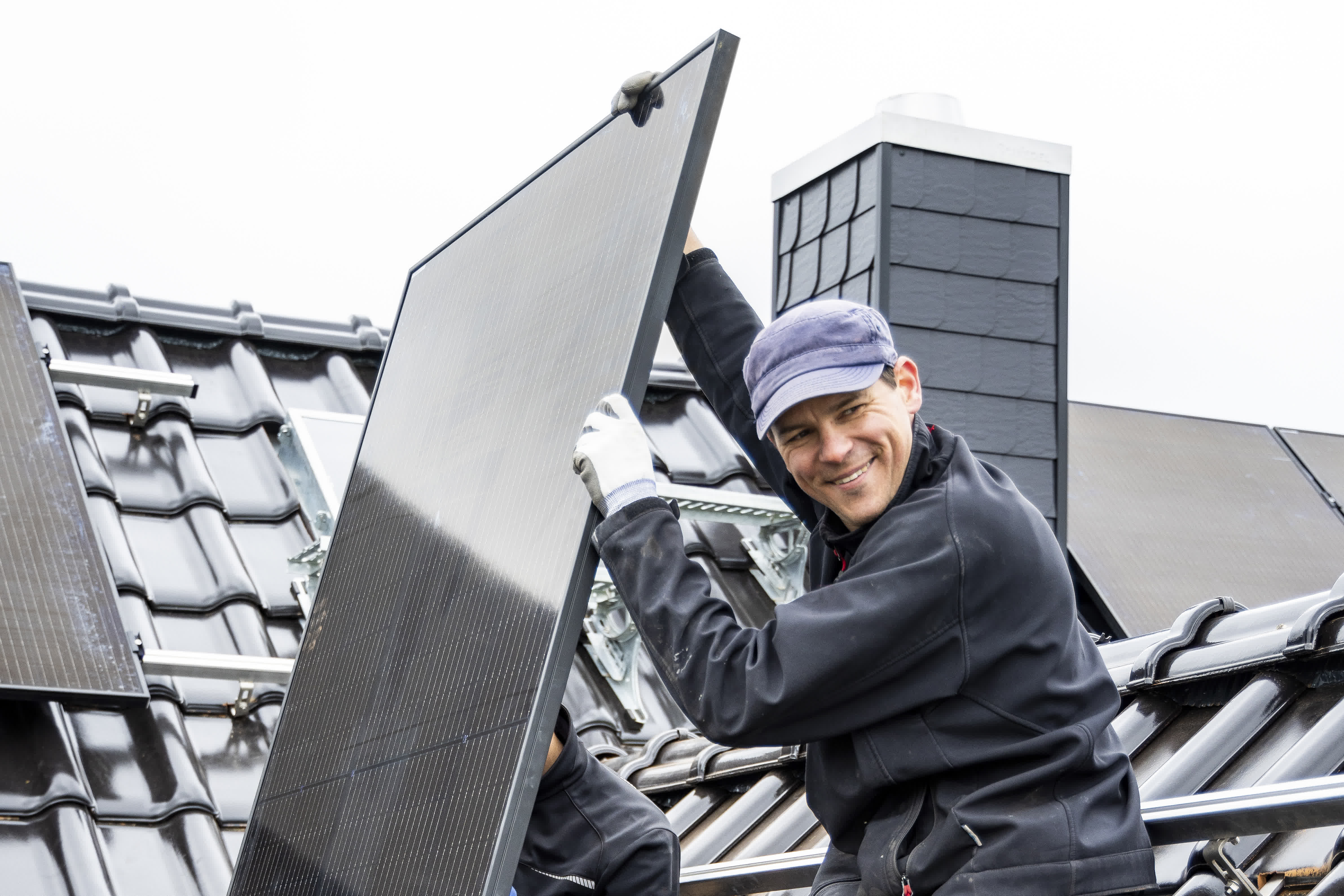
4. Installation Costs
- Labor costs for installing solar panels and inverters vary, but are usually between €800 and €1,500.
- Complex installations on hard-to-reach or large roofs may incur higher labor costs.
5. Electrical Adjustments
- Adjustments to the meter box, wiring, grounding, and surge protection are often necessary.
- The costs for this average between €500 and €1,500, depending on the situation.
6. Potential Additional Costs
- Roof inspection, shadow scan, or consultation fees.
- Any permits or inspections for larger installations.
- Monitoring and management systems for real-time performance insights.
7. Subsidies and Financial Benefits
- Individuals benefit from a 0% VAT rate on solar panels, which means a direct saving of 21%.
- For companies, there are tax deductions such as the Energy Investment Allowance (EIA).
- Local subsidies and loans can further reduce costs.
Example Cost Indication
|
Cost Item |
Indication (€) |
|
Solar panels (6 kWp) |
6,000 – 10,000 |
|
Inverter |
1,000 – 2,000 |
|
Mounting materials |
300 – 600 |
|
Installation labor |
800 – 1,500 |
|
Electrical adjustments |
500 – 1,500 |
|
Total |
8,600 – 16,000 |
Conclusion
The total costs of a solar panel installation depend on the chosen system, roof type, installation complexity, and additional work. It is advisable to compare multiple quotes and opt for a reliable installer. Via jeofferte.nl, we connect you with certified professionals who offer transparent and complete price quotations.
Factors Influencing the Price of Solar Panels and Installation
The price of solar panel installations is determined by a wide range of factors. By understanding these elements, you can better budget and make informed choices for your sustainable investment. Below is a detailed explanation of the most important price-determining factors.
1. Type and Quality of Solar Panels
- Monocrystalline panels: These panels deliver the highest yield and are often aesthetically pleasing due to their uniform black appearance. However, they are more expensive to purchase.
- Polycrystalline panels: Slightly cheaper and less efficient, suitable for situations with sufficient roof space.
- Thin-film panels: Cheaper, lightweight, and flexible, but with lower yield and shorter lifespan. Less suitable for residential applications.
Quality and manufacturer play a role in durability and warranty, which influences the price.
2. System Size (kWp Capacity)
- Larger systems often benefit from economies of scale, reducing the price per kWp.
- Smaller systems have relatively higher costs per kWp due to fixed installation and material expenses.
- The total capacity is aligned with energy consumption and available roof space.
3. Type Inverter
- String inverters: Cheaper and suitable for simple systems without much shade.
- Microinverters: More expensive, but offer per-panel optimization and better performance in case of shade or complex roof shapes.
- Optimizers: Intermediate solution that improves per-panel efficiency, with slightly higher costs than string inverters.
4. Installation Complexity
- Roof Type: Roofing materials such as tiles, thatch, bitumen, or slate require different mounting systems and affect labor costs.
- Roof Access: Difficult-to-access roofs require additional safety measures or materials, which increases the price.
- Shading and Orientation: Complex roof shapes with significant shading may necessitate the choice of more expensive inverters.
5. Electrical Adjustments
- Sometimes an adjustment or extension of the meter cupboard is necessary.
- Additional wiring, grounding, surge protection, and measuring equipment will incur additional costs.
6. Warranty and Service
- Extended warranties and maintenance contracts increase costs but offer long-term security.
- Good service prevents unexpected costs and performance loss.
7. Monitoring and Smart Technology
- Optional monitoring via apps or portals for performance insights may incur additional costs.
- Helps with early detection of malfunctions and optimization of yield.
8. Regional Price Differences
- Labor costs and competition vary by region.
- Material availability and transportation costs influence the price.
9. Financial Arrangements
- Subsidies and tax benefits reduce the net investment.
- Take into account any administrative costs for subsidy applications.
Summary
The price of solar panels is influenced by technical choices, installation conditions, product quality, and regional factors. For an optimal price-quality ratio, it is advisable to compare quotes from multiple installers and pay attention to all mentioned aspects.
Types of Solar Panels in 2025
When choosing solar panels, it is important to know which types are available, what their characteristics are, and which ones best suit your situation. In 2025, there are three main types of solar panels on the market, each with its own advantages and disadvantages.
1. Monocrystalline Solar Panels
Description
- Made from a single crystalline silicon cell.
- Characterized by a uniform black appearance and rounded corners.
- High purity of silicon ensures efficiency.
Advantages
- Highest yield (18% – 22%) per square meter.
- Suitable for small roofs where space is limited.
- Better performance in low light intensity and warm temperatures.
- Long lifespan and good warranties.
Disadvantages
- More expensive to purchase due to more complex production.
- Production requires relatively a lot of energy.
2. Polycrystalline Solar Panels
Description
- Consist of multiple silicon crystals melted into a panel.
- Typically bluish color with a grainy appearance.
- Less pure silicon than monocrystalline panels.
Advantages
- Lower purchase price than monocrystalline panels.
- Reliable performance under standard light conditions.
- Less energy-intensive production.
Disadvantages
- Lower efficiency (15% – 18%) requiring more surface area.
- Less attractive appearance due to color and texture.
3. Thin-Film Solar Panels
Description
- Consist of a thin layer of photovoltaic material applied to a substrate.
- Flexible and lightweight.
- Are less frequently used in the residential sector.
Advantages
- Flexible and suitable for curved or flat surfaces.
- Relatively inexpensive in material usage.
- Good performance in diffuse light.
Disadvantages
- Lower yield (approximately 10% – 12%), requiring a large surface area.
- Shorter lifespan than crystalline panels.
- Less common and less available in the Netherlands.
Considerations when Choosing
- Available roof space: Small roofs benefit from high-efficiency panels.
- Budget: Polycrystalline panels are more affordable but less compact.
- Aesthetics: Monocrystalline panels are often perceived as more aesthetically pleasing.
- Performance in shade or hot weather: Monocrystalline panels generally perform better.
- Lifespan and warranty: Look at the warranties manufacturers offer, usually a minimum of 25 years yield warranty.
Conclusion
In 2025, monocrystalline and polycrystalline panels will remain the most used types of solar panels. Thin-film panels are a niche option for specific applications. By comparing the characteristics of each type with your situation, you will choose the best system for optimal performance and long-term satisfaction.
Selecting a Solar Panel Installer
Choosing the right installer is at least as important as choosing the solar panels themselves. A professional installation not only guarantees the optimal operation and safety of your system, but also affects the warranty and return on investment. At jeofferte.nl, we guide you in finding reliable and experienced installers. Below you will find a comprehensive overview of the most important criteria and tips for selecting a solar panel installer.
1. Experience and Expertise
- Choose an installer with proven experience in installing solar panels in various situations.
- Ask for references and view previous projects.
- Experience with the type of solar panels and inverters you desire is a plus.
2. Certifications and Recognitions
- Check if the installer has relevant certifications such as Solar Keymark, KOMO quality mark and/or recognition by industry organizations (such as UNETO-VNI).
- A certified installer meets strict quality and safety standards.
3. Transparent Quotes and Pricing
- A reliable installer provides a detailed quote clearly stating materials, labor costs, warranties, and any additional costs.
- Request multiple quotes via jeofferte.nl to objectively compare prices and services.
4. Warranty and Service
- Inquire about warranties on both materials (panels, inverters) and the installation.
- Ask if the installer offers service contracts or maintenance services for aftercare.
5. Advice and Customization
- The best installers offer tailored advice, adapted to your roof, energy needs, and budget.
- They consider factors such as shading, orientation, and future expansion possibilities.
6. Planning and Communication
- A professional installer communicates clearly about planning, execution, and potential challenges.
- Clear agreements and accessibility during and after installation are essential.
7. Customer Reviews and Reputation
- Look for independent reviews and experiences from previous customers.
- A good reputation and positive feedback are indicators of reliability.
8. Costs and Payment Terms
- Ask about the total costs including VAT and any possible subsidies.
- Check the payment terms and whether a deposit is required.
Why choose jeofferte.nl?
- Certified Partners: We only work with reliable and certified installers.
- Transparency: You will receive multiple quotes with clear price and quality specifications.
- Personal Advice: We help you make the best choice for your situation.
- Aftercare: Through our network, you also gain access to service and maintenance.
Conclusion
Selecting an expert and reliable solar panel installer is crucial for the success of your sustainable investment. With the right knowledge and support, such as from jeofferte.nl, you can avoid unnecessary risks and ensure an optimally functioning system.
Benefits of a Professional Solar Panel Installer
Choosing a professional installer brings various benefits that contribute to the quality, safety, and efficiency of your solar panel installation. At jeofferte.nl, we exclusively work with experienced and certified professionals who guarantee optimal execution and service. Below, you can read in detail why a professional installer is essential.
1. Optimal Performance and Yield
- A professional installer ensures correct placement and calibration of panels and inverters, allowing you to get the maximum yield from your system.
- They can take into account factors such as roof orientation, pitch angle, and shading, which affect the output.
2. Safety and Compliance with Standards
- Skilled installers work according to current safety standards and regulations.
- They ensure correct electrical connections, grounding, and surge protection, thereby minimizing the risk of malfunctions and accidents.
3. Quality Guarantee and Certification
- Professional installers often offer comprehensive guarantees on both materials and labor.
- Certifications such as Solar Keymark and KOMO mark confirm their expertise and reliability.
4. Efficient Planning and Execution
- An experienced installer will carefully plan the work and ensure a fast, neat, and correct installation.
- This prevents unnecessary delays and inconvenience.
5. Tailored Advice
- They provide expert advice on the best system configuration and components, tailored to your energy needs, budget, and home.
- They can also inform you about subsidy opportunities and tax benefits.
6. Aftercare and Maintenance
- A professional installer offers post-installation service, including monitoring, maintenance, and any necessary repairs.
- This contributes to a longer lifespan and continued return on investment.
7. Reliability and Transparency
- You will receive clear and detailed quotes, with no hidden costs.
- A good installer communicates clearly about the process, expectations, and warranties.
8. Increased Value of Your Home
- A professionally installed solar panel system increases the value and attractiveness of your home on the market.
Conclusion
Investing in a professional installer for your solar panel installation is crucial for a safe, efficient, and sustainable result. Through jeofferte.nl, you are assured of collaboration with skilled specialists who prioritize quality and service.
Frequently Asked Questions about Solar Panels and Installation
At jeofferte.nl, we notice that many customers have the same questions about solar panels, installation, and sustainable energy. Below you will find an overview of the most frequently asked questions, including clear and professional answers to help you further.
1. What is the average cost of a complete solar panel installation?
The costs vary greatly, but for an average system of 6 kWp, the total costs including installation range between €8,000 and €16,000. This depends on panel quality, inverter, installation complexity, and any additional work.
2. How long do solar panels last?
Solar panels typically have a lifespan of 25 to 30 years. Manufacturers usually offer a 25-year performance warranty, during which the efficiency may gradually decrease.
3. What is the payback period for solar panels?
On average, the payback period is between 5 and 7 years, depending on your energy consumption, electricity price, system size, and any available subsidies.
4. Can I install solar panels myself?
While technically possible, we strongly recommend hiring a certified professional. This ensures safety, optimal performance, warranty, and compliance with regulations.
5. What warranties do I get with solar panels?
Typically, you receive a product warranty of 10 to 15 years and a performance warranty of 25 years. The installation is often also covered by the installer's warranty.
6. How does the net metering scheme work?
The net metering scheme allows you to feed electricity that you do not use directly back into the grid and receive compensation for it by offsetting this feed-in against your consumption. Full net metering will apply until 2027, after which it will be gradually phased out.
7. What subsidies are available?
For individuals, there is a 0% VAT rate on solar panels. Additionally, there is the ISDE subsidy for heat pumps and solar water heaters. For businesses, there are tax advantages such as the Energy Investment Allowance (EIA).
8. What is the difference between monocrystalline and polycrystalline solar panels?
Monocrystalline panels have a higher efficiency and are more expensive, while polycrystalline panels are cheaper with a slightly lower efficiency.
9. How do I choose the right installer?
Pay attention to certifications, experience, warranties, quote transparency, and customer reviews. Through jeofferte.nl, you can find reliable and certified installers.
10. Is monitoring of my solar panels necessary?
Monitoring is not mandatory, but it helps to track performance and quickly identify faults, which can optimize your yield.
Conclusion
Do you have other questions or would you like personal advice? At jeofferte.nl, we are ready to support you with expert information, reliable quotes, and connections with experienced installers.