

Roofing
Free and without obligation
Find your contractor
Free and without obligation
Roofing Prices and Lifespan (2025)
Choosing the right type of roofing is essential for the durability, waterproofing, and appearance of your home or commercial building. Prices and lifespan vary greatly depending on the type of material and application (flat or pitched roof).
Overview Roofing by Type
|
Type of roofing |
Application |
Lifespan |
Price per m² (incl. VAT & installation) |
|
Bitumen (APP/ECB) |
Flat roof |
20 – 30 years |
€45 – €70 |
|
EPDM (rubber foil) |
Flat roof |
30 – 40 years |
€60 – €90 |
|
PVC roofing |
Flat roof |
20 – 30 years |
€55 – €80 |
|
Green roof (on EPDM/PVC) |
Flat roof |
40 – 50 years (incl. protection) |
€80 – €130 |
|
Roof shingles (bitumen) |
Slightly sloping roof |
20 – 30 years |
€50 – €70 |
|
Ceramic roof tiles |
Pitched roof |
40 – 100 years |
€60 – €120 |
|
Concrete roof tiles |
Pitched roof |
30 – 50 years |
€50 – €100 |
|
Slate roof (artificial slate) |
Pitched roof |
25 – 40 years |
€80 – €120 |
|
Slate roof (natural slate) |
Pitched roof |
70 – 100 years |
€120 – €180 |
|
Zinc roofing |
Slightly sloping roof |
40 – 70 years |
€100 – €160 |
|
Thatched roof (traditional) |
Steeply sloping roof |
25 – 40 years |
€100 – €160 |
Prices mentioned are indicative prices based on standard finish and normal accessibility. Extra costs may arise in the event of roof insulation, roof edge replacement, difficult to access locations or demolition work.
Factors that influence the price
- Type of roof (flat or pitched)
- Accessibility and roof surface
- Type of material and chosen finish
- Necessity to remove old layer
- Combination with roof insulation or solar panels
- Possible permit (for monumental or thatched roofs)
Lifespan in practice
- The mentioned lifespans are averages.
- Good maintenance can significantly extend the lifespan.
- Annual inspection is recommended for flat roofs, especially for bitumen and PVC.
- Slates and ceramic roof tiles require periodic maintenance of ridge tiles, lead flashing, and gutter construction.
Maintenance costs (indication)
|
Type of roof |
Annual maintenance |
|
Bitumen / EPDM |
€50 – €150 per year (inspection, cleaning) |
|
Tiled roof |
€100 – €200 per 2 years (ridge tiles, moss, gutters) |
|
Thatched roof |
€200 – €500 per 3 years (combing, cleaning) |
|
Green roof |
€100 – €250 per year (pruning, drainage check) |
Combination with roof insulation
When renewing your roof, it is wise to also apply roof insulation directly. The additional costs are relatively limited and are often recovered within 5–8 years through lower energy costs.
- Flat roofs: insulation under or on the roof boarding
- Pitched roofs: insulation between or on top of the beams
Average additional costs:
- €30 – €50 per m² extra for insulation including finishing
Advice via jeofferte.nl
Via jeofferte.nl you will receive:
- Quotes from certified roofers in your region
- Insight into the best price-quality ratio
- Advice on material selection, insulation and maintenance
- Clear explanation of expected lifespan and warranty
Types of Roofing (2025)
The choice of roofing depends on the type of roof (flat or pitched), the desired lifespan, the budget, and any aesthetic or sustainable preferences. Below is an overview of the most commonly used materials, including properties and applications.
1. Bitumen roofing (APP / SBS)
Application: Flat roofs
(e.g. garages, extensions, commercial buildings)
Characteristics:
- Relatively cheap
- Waterproof and easy to process
- Lifespan: 20 – 30 years
- More maintenance-sensitive than EPDM
Special features: To be applied with burner (APP) or cold glue (SBS)
2. EPDM roofing (rubber foil)
Application: Flat and
slightly sloping roofs
Characteristics:
- Very durable (30 – 40 year lifespan)
- Elastic, tear-resistant and low-maintenance
- UV and ozone resistant
- Environmentally friendly (recyclable)
Special features: Cold glued; no burner needed
3. PVC roofing
Application: Flat roofs
of homes or commercial buildings
Characteristics:
- Lighter than bitumen
- Available in multiple colors
- Lifespan: 20 – 30 years
- Sensitive to plasticizer loss (aging)
Special features: Welded with hot air, not with glue or burner
4. Green Roof / Vegetation Roof
Application: Flat roofs
with load-bearing capacity (e.g. sheds, extensions, utilities)
Features:
- Environmentally friendly and insulating
- Extends the lifespan of the underlying roofing
- Dampens noise and retains rainwater
Special features: Always on EPDM or PVC as a base
5. Roof shingles (bitumen shingles)
Application: Slightly
sloping roofs (garden houses, chalets, holiday homes)
Features:
- Inexpensive and flexible to use
- Lifespan: 20 – 30 years
- Lighter than roof tiles
Special features: Available in various colors and shapes
6. Concrete Roof Tiles
Application: Sloping
roofs of houses, apartments
Features:
- Affordable alternative to ceramics
- Lifespan: 30 – 50 years
- Slightly more susceptible to dirt and moss growth
Special features: Fast processing, relatively heavy
7. Ceramic Roof Tiles (baked clay)
Application: Classic and
modern homes
Features:
- Very long lifespan (40 – 100 years)
- Dimensionally and color stable, low maintenance
- More expensive than concrete
Special features: Available in various finishes (matte, glazed)
8. Slate roofing (artificial or natural slate)
Application: Monumental
and luxury homes
Characteristics:
- Classic look
- Artificial slate: 25 – 40 years
- Natural slate: 70 – 100 years
Special features: Requires specialist installation
9. Zinc roofing
Application: Modern or
architectural pitched roofs
Characteristics:
- Sleek, industrial look
- Lifespan: 40 – 70 years
- Low maintenance
Special features: Conducts heat and cold well, not suitable for every construction
10. Thatched roof
Application: Detached
houses, villas, rural architectural style
Characteristics:
- Natural appearance
- Lifespan: 25 – 40 years (with good maintenance)
- High aesthetic value, but flammable
Particularities: Higher insurance costs, specialized execution required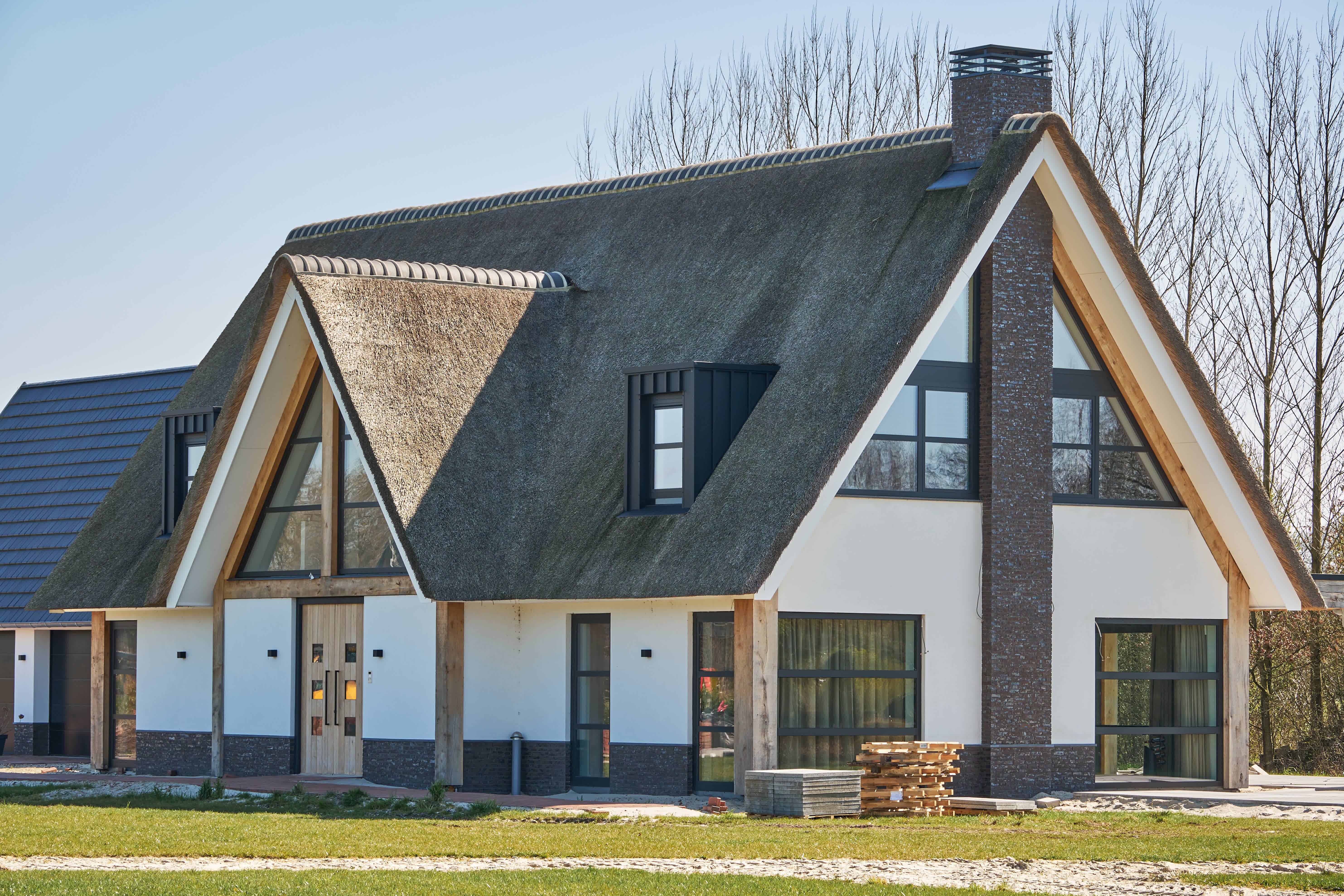
In summary: material selection per situation
|
Situation |
Recommended type |
|
Flat roofs with high durability requirements |
EPDM or green roof |
|
Budget solution for flat roofs |
Bitumen or PVC |
|
Sloping roof with a classic look |
Ceramic tiles or natural slate |
|
Modern design or luxury home |
Zinc, natural slate or reed |
|
Light roof construction (e.g. shed) |
Roof shingles or artificial slate |
Advice via jeofferte.nl
Via jeofferte.nl you will receive:
- Insight into which type of roofing best suits your home
- Comparative quotes including materials, labor and lifespan
- Advice on combination with insulation or solar panels
- Explanation of maintenance, warranty and legal obligations
Roofing for Pitched Roofs (2025)
Pitched roofs are common in Dutch homes and can be finished with various types of roofing, each with their own properties, costs and lifespan. The right choice depends on aesthetics, budget, construction technique and maintenance needs.
1. Ceramic roof tiles (baked clay)
Characteristics:
- Lifespan: 40 – 100 years
- High quality, colorfast and dimensionally stable
- Resistant to frost, rain and UV radiation
- Available in matte, engobe and glaze finishes
Advantages:
- Long lifespan
- Classic and modern models available
- Low maintenance
Price incl. placement: €60 – €120 per m²
2. Concrete Roof Tiles
Characteristics:
- Lifespan: 30 – 50 years
- Slightly heavier than ceramic, more susceptible to pollution
- Faster to install due to dimensional stability
Advantages:
- Affordable
- Widely applicable in renovation and new construction

Price incl. installation: €50 – €100 per m²
3. Slate Roofing
A. Artificial Slate
- Lifespan: 25 – 40 years
- Made of fiber cement or plastic
- Relatively light and easy to process
Price incl. installation: €80 – €120 per m²
B. Natural Slate
- Lifespan: 70 – 100 years
- Made of natural stone (slate)
- Unique appearance, suitable for luxury or monumental buildings
Price incl. installation: €120 – €180 per m²
4. Zinc roofing (standing seam)
Characteristics:
- Lifespan: 40 – 70 years
- Applicable to slightly sloping roofs (from 15°)
- Waterproof, sleek appearance, widely used in architectural projects
Advantages:
- Low maintenance
- Recyclable material
- Long lifespan
Price incl. installation: €100 – €160 per m²
5. Thatched roof
Characteristics:
- Lifespan: 25 – 40 years (with good maintenance)
- Traditional appearance
- Steep roof pitch required (≥ 45°)
Advantages:
- High aesthetic value
- Insulating and vapor-permeable
Disadvantages:
- Higher maintenance costs
- Increased fire risk (special treatment possible)
Price incl. installation: €100 – €160 per m²
6. Roof shingles (bitumen shingles)
Characteristics:
- Lifespan: 20 – 30 years
- Lightweight, applicable to light roof constructions
- Mainly used for chalets, holiday homes, garden houses
Advantages:
- Easy installation
- Low material costs
Price incl. installation: €50 – €70 per m²
Comparative Overview Pitched Roofs
|
Type |
Lifespan |
Maintenance |
Price per m² (incl. installation) |
|
Ceramic roof tiles |
40 – 100 years |
Low |
€60 – €120 |
|
Concrete roof tiles |
30 – 50 years |
Low – Medium |
€50 – €100 |
|
Artificial slate |
25 – 40 years |
Medium |
€80 – €120 |
|
Natural slate |
70 – 100 years |
Low – Medium |
€120 – €180 |
|
Zinc roof |
40 – 70 years |
Low |
€100 – €160 |
|
Thatched roof |
25 – 40 years |
High |
€100 – €160 |
|
Roof shingles |
20 – 30 years |
Medium |
€50 – €70 |
Advice via jeofferte.nl
Via jeofferte.nl you will receive:
- Multiple customized quotes for your pitched roof
- Insight into the best choice in terms of price, sustainability and style
- Advice on maintenance intervals, permits and combination with roof insulation
- Clear price structure including labor, materials and demolition of old roofing
Flat Roof Covering (2025)
For flat roofs, durability, water resistance, and maintenance needs are decisive factors in the choice of material. The most commonly used types of roof covering are bitumen, EPDM, PVC and variants with extra insulation or green roofs.
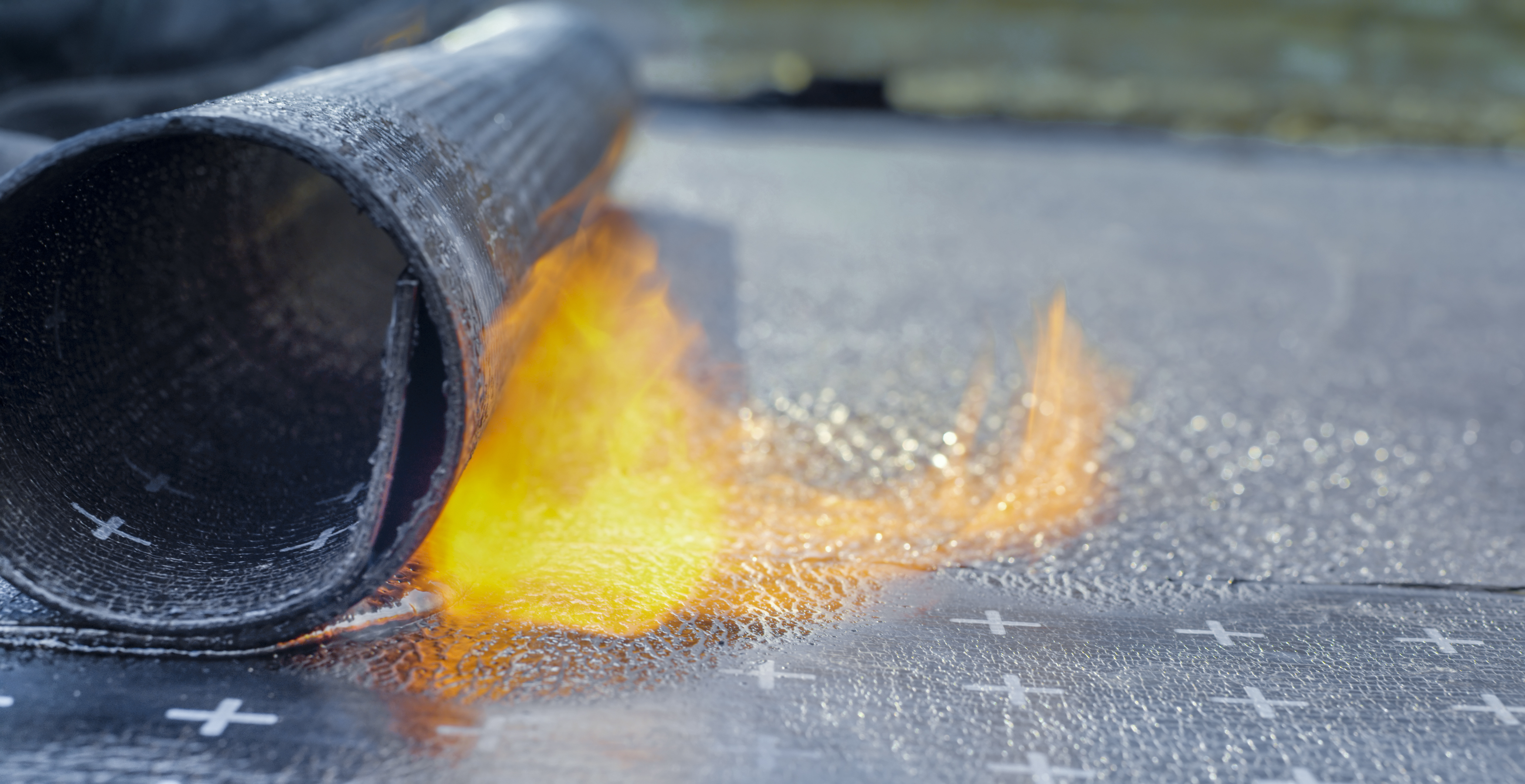
1. Bitumen roof covering (APP or SBS)
Characteristics:
- Lifespan: 20 – 30 years
- Application: flat roofs of houses, sheds, garages
- Is applied with a burner (APP) or cold glue (SBS)
- Resistant to UV and temperature fluctuations
Advantages:
- Affordable
- Easy to repair in case of leakage
- Suitable for double-layer systems
Price incl. placement: €45 – €70 per m²
2. EPDM roofing (synthetic rubber)
Characteristics:
- Lifespan: 30 – 40 years
- Seamlessly available in one piece (up to ± 15 meters wide)
- Cold glued (no open fire required)
- Resistant to UV, ozone and temperature fluctuations
Advantages:
- Low maintenance
- Environmentally friendly (recyclable)
- Suitable for green roofs and solar panel mounting
Price incl. installation: €60 – €90 per m²
3. PVC roofing
Characteristics:
- Lifespan: 20 – 30 years
- Lightweight plastic film
- Welded with hot air, suitable for roofs with many details
- Available in various colors
Advantages:
- Visually sleek result
- Fast processing
- Good resistance to root growth (suitable for green roofs)
Price incl. installation: €55 – €80 per m²
4. Green roof (extensive or intensive)
Characteristics:
- Lifespan of underlayer: 40 – 50 years (if constructed correctly)
- Vegetation layer based on sedum, grass or planting
- Works sound-absorbing and insulating
- Combinable with EPDM or PVC as underlayer
Advantages:
- Increases lifespan of roofing
- Buffers rainwater and promotes biodiversity
- Provides thermal insulation (summer and winter)
Price incl. placement: €80 – €130 per m²
5. Plastic TPO/FPO roofing membranes
Characteristics:
- Alternative to PVC, with fewer plasticizers
- Lifespan: 25 – 35 years
- More environmentally friendly than standard PVC
Advantages:
- Lightweight
- Good weldability and workability
- Chemically resistant
Price incl. installation: €70 – €95 per m²
Comparative overview flat roofs
|
Material |
Lifespan |
Maintenance |
Price per m² incl. installation |
|
Bitumen (APP/SBS) |
20 – 30 years |
Medium |
€45 – €70 |
|
EPDM |
30 – 40 years |
Low |
€60 – €90 |
|
PVC |
20 – 30 years |
Medium |
€55 – €80 |
|
Green roof |
40 – 50 years |
Medium – High |
€80 – €130 |
|
TPO/FPO |
25 – 35 years |
Low |
€70 – €95 |
Extra considerations for flat roofs
- Drainage: Ensure correct slope and sufficient rainwater drainage.
- Load-bearing capacity: Green roofs and solar installations require additional structural control.
- Maintenance: Annual inspection recommended, especially after storm or leaf fall.
- Insulation: When renewing the roof, direct insulation (from the outside) is recommended for energy saving.
Advice via jeofferte.nl
Via jeofferte.nl you will receive:
- Multiple quotes for replacement or renovation of your flat roof
- Advice on material selection, insulation options and lifespan
- Insight into additional options such as green roofs or solar panels
- Clear cost structure with labor, material and waste processing
Roof Insulation (2025): Types, Prices and Importance
A well-insulated roof prevents heat loss, reduces energy bills and increases living comfort. Because an average of 25–30% of the heat in the house is lost through the roof, insulating it is one of the most cost-effective energy measures.
Benefits of Roof Insulation
- Lower energy costs: savings of up to €700 per year (in poorly insulated homes)
- More comfort: less drafts and temperature differences
- Increased property value
- Better energy label (favorable for sale or rental)
- Less CO₂ emissions (sustainable living)
Types of Roof Insulation
The choice of insulation type depends on the roof construction: flat or sloping, and the desired finish (inside or outside).
1. Inside sloping roof (between the rafters / interior finish)
Application: Attic or
sloping roof with wooden roof construction
Material: Glass wool, rock wool, PIR, PUR plates
Advantages: Relatively simple and inexpensive
Price incl. VAT and installation: €25 – €45 per m²
Insulation value (Rd): approx. 2.5 – 4.0 m²K/W
2. Outside sloping roof (sarking roof)
Application: Renovation when
replacing roof tiles
Material: PIR plates, resol plates
Advantages: No loss of space inside, high insulation value
Price incl. VAT and installation: €55 – €75 per m²
Insulation value (Rd): 4.0 – 6.0 m²K/W
3. Attic floor insulation
Application: Unheated
attic (no use as living space)
Material: Glass wool, EPS, mineral wool, insulation blankets
Advantages: Very cost-efficient
Price incl. installation: €20 – €35 per m²
Insulation value: 3.0 – 5.0 m²K/W
4. Flat roof insulation (outside – warm roof)
Application: Flat roofs
during renovation or new construction
Material: PIR, EPS, XPS panels + roofing (bitumen, EPDM)
Advantages: Insulation on top of construction, protects roof
Price incl. installation and roofing: €70 – €110 per m²
Insulation value: 3.5 – 6.0 m²K/W
5. Flat roof insulation (inside – cold roof)
Application: Only with
limited renovation options
Material: Rigid foam boards or mineral wool under roof boarding
Note: Risk of condensation with poor ventilation
Price incl. installation: €40 – €70 per m²
Comparative Overview
|
Type of insulation |
Application |
Price p/m² |
Insulation value (Rd) |
|
Attic floor |
Uninhabited attic |
€20 – €35 |
3.0 – 5.0 |
|
Inside pitched roof |
Inhabited attic |
€25 – €45 |
2.5 – 4.0 |
|
Outside pitched roof |
During roof renovation |
€55 – €75 |
4.0 – 6.0 |
|
Flat roof exterior |
New/renovation |
€70 – €110 |
3.5 – 6.0 |
|
Flat roof interior |
Limited application |
€40 – €70 |
2.0 – 4.0 |
Subsidy and financing (2025)
- ISDE subsidy is available for roof insulation from 20 m², provided it is carried out by a certified company.
- Subsidy amount: approx. €15 – €30 per m² (depending on combination with other measures)
- Combination with cavity wall or floor insulation increases subsidy amount per measure
- Roof insulation can be financed through the National Heat Fund (interest from 0%)
Important considerations
- Ventilation: when insulating from the inside, ensure sufficient ventilation to prevent moisture problems
- Vapor barrier: needed on the warm side to prevent condensation in the insulation material
- Thermal breaks: prevent cold bridges at connections (ridge, gutter, dormer)
- Combination with roof replacement: exterior
insulation is ideal when replacing roof tiles or
roofing

Advice via jeofferte.nl
Via jeofferte.nl you will receive:
- Personal advice on the best type of roof insulation for your situation
- Multiple non-binding quotes from recognized insulation companies
- Insight into insulation value, payback period and subsidy
- Full price breakdown including labor, materials and additional costs
Roof Sheathing (2025): Function, Materials, and Price Indications
The roof sheathing is the supporting surface of a roof on which the roofing and insulation are applied. It forms the basis of the roof and is crucial for the strength, insulation value, and installation of roof tiles, bitumen, or other coverings.
Function of Roof Sheathing
- Constructive basis for roofing (tiles, slates, bitumen, EPDM)
- Attachment surface for insulation on the inside or outside
- Protection against wind load, rain penetration and deflection
- Important for fire safety and sound insulation
During renovations, the existing roof sheathing often needs to be assessed for load-bearing capacity, wood rot, or deformation.
Commonly used materials for roof decking
|
Material |
Application |
Advantages |
Disadvantages |
|
Spruce wooden planks |
Older homes, renovation |
Solid, easy to work with |
Risk of warping or rot |
|
Underlayment (spruce) |
New construction and renovation |
Strong, moisture resistant, smooth surface |
Not moisture resistant without treatment |
|
OSB (Oriented Strand Board) |
New construction or temporary applications |
Cheap, quick to process |
Less durable, less moisture resistant |
|
Waterproof plywood |
Flat and pitched roofs |
Very sturdy, moisture and mold resistant |
More expensive to purchase |
|
Cement-bonded boards |
Fire-resistant applications |
Non-combustible, dimensionally stable |
Heavier, more expensive |
In pitched roofs, underlayment or wooden planks are often chosen. For flat roofs (e.g. EPDM), waterproof plywood is often used as a base.
Indicative prices for roof decking (excl. roofing)
|
Material |
Price per m² (incl. VAT and installation) |
|
Spruce planks |
€40 – €60 |
|
Underlayment |
€50 – €75 |
|
OSB boards |
€45 – €65 |
|
Water-resistant plywood |
€60 – €90 |
|
Cement-bonded boards |
€80 – €110 |
Prices depend on accessibility, roof pitch, method of installation and any demolition of old material.
When to replace?
Replacement of roof boarding is recommended if:
- The wood is affected by wood rot, moisture or insects
- The roof undulates, sags or creaks under load
- You switch to a heavier or different type of roofing
- Insulation or fire resistance needs to be improved
Combination with insulation and roof renovation
During roof renovations, it is often cost-effective to replace the roof boarding at the same time if:
- The roof tiles, bitumen or EPDM are renewed
- The roof is insulated from the outside (sarking roof or warm flat roof)
- There are leaks or visibly damaged wood
In many cases, the new roof boarding is directly fitted with insulation boards or foil on the warm side.
Important considerations
- Ventilation: When insulating from the inside, ensure ventilation above the boarding
- Vapor barrier: Prevents moisture build-up in the wood
- Fire safety: Pay attention to the fire class for roof boarding in utility buildings or apartments
- Regularity of the joist layer: Determines which format and type of sheet material is suitable
Advice via jeofferte.nl
Via jeofferte.nl you will receive:
- Multiple quotes from recognized roofers and carpentry companies
- Insight into the condition of the existing roof boarding
- Recommendations for materials, insulation and cost savings
- Advice on integration with new roofing or sustainability
Gutters (2025): Materials, Prices and Maintenance
Gutters ensure the controlled drainage of rainwater and protect facades, window frames and foundations against moisture problems. A well-placed and maintained gutter significantly extends the lifespan of your home or building.
Function of Gutters
- Drains rainwater in a controlled manner to the downpipe or rainwater drainage
- Protects the facade and foundation against penetrating moisture
- Prevents water accumulation and leakage at roof edges
- Contributes to the appearance of the building (classic or modern)
- Clean at least once a year (preferably after autumn)
- Check for blockages, cracks and sagging
- Repair leaks or leaking seams immediately with sealant, solder or replacement part
- Gutter guards (grid or leaf guard) extend the maintenance interval
- There is repeated leakage or rust formation
- The gutter is sagging or deformed
- The connections leak or no longer adhere
- The gutter is older than 25–30 years (plastic), 40+ years (zinc/aluminum)
- You are having the roof replaced and the gutter construction is outdated
- Quotes from recognized installers for gutters, downspouts and drainage systems
- Advice on material selection, durability and appearance
- Options for combinations with roof renovation, facade work or insulation
- Transparent price structure and maintenance information
Commonly Used Gutter Materials
|
Material |
Characteristics |
Lifespan |
Price per meter (incl. placement) |
|
Plastic (PVC) |
Light, cheap, easy to replace or repair |
15 – 25 years |
€30 – €50 |
|
Zinc |
Classic look, durable, easily deformable |
30 – 40 years |
€60 – €90 |
|
Aluminum |
Lightweight, modern look, low maintenance |
30 – 40 years |
€65 – €100 |
|
Copper |
Very durable, luxurious appearance, oxidizes to green patina |
50 – 80 years |
€90 – €150 |
|
Steel (galvanized) |
Sturdy, but susceptible to rust without coating |
20 – 30 years |
€50 – €80 |
Types of Gutters
|
Gutter Type |
Application |
Special Features |
|
Box Gutter |
Common with sloping roofs (under the roof) |
Good to combine with wooden framing |
|
Half-round gutter |
Traditional housing construction |
Suitable for zinc, copper and plastic gutters |
|
Valley gutter |
In the corner where two roof surfaces meet |
Provides water drainage in a roof slope |
|
Hidden gutter |
Invisibly concealed (in dormers) |
Water tightness requires precise installation |
Indicative cost of replacing gutters (2025)
|
Type of work |
Estimated price (including VAT and installation) |
|
Replace gutter (plastic) |
€35 – €55 per meter |
|
Replace gutter (zinc or aluminum) |
€65 – €100 per meter |
|
Replace gutter (copper) |
€100 – €150 per meter |
|
Replace downspout |
€40 – €75 per piece |
|
Complete gutter renovation (incl. woodwork) |
€75 – €120 per meter |
The exact price depends on accessibility, roof height, finish and choice of materials.
Maintenance gutters
When to replace?
Consider replacing the gutter if:
Advice via jeofferte.nl
Via jeofferte.nl you will receive:
Roof Maintenance (2025): Importance, Costs and Work
Regular roof maintenance extends the life of the roof, prevents leaks and ensures the safety of the building. By inspecting preventively and repairing minor defects in a timely manner, major repairs are often avoided.
Why is roof maintenance important?
- Prevents leakage and consequential damage to insulation, ceilings or walls
- Extends lifespan of roofing, gutters and woodwork
- Ensures timely signaling of wear, moss growth or blockages
- Limits costs because small defects do not grow into major damage
- Meets insurance conditions (required in some policies)
Standard components of roof maintenance
|
Component |
Check or action |
|
Roofing |
Cracks, loose parts, dehydration or aging |
|
Lead and zinc work |
Cracks, loose pieces, oxidation |
|
Gutters and downspouts |
Leaves, clogging, leakage, sagging |
|
Chimneys and lead flashings |
Finishing, connections, frost damage |
|
Ridge tiles and roof tiles |
Misalignment, breakage, displacement by wind or frost |
|
Flat roofs |
Adhesion of roofing, puddles, seam control |
|
Moss and algae growth |
Cleaning and possibly coating of roofs |
Frequency of Maintenance
|
Roof Type |
Recommended Inspection Frequency |
|
Flat roofs |
1 – 2 times per year (spring and autumn) |
|
Sloping roofs |
1 time per year |
|
Green roofs |
2 times per year (vegetation & drainage) |
|
Thatched roofs |
Every 2–3 years specialist maintenance |
Indicative roof maintenance costs (2025)
|
Activities |
Estimated price (incl. VAT) |
|
Visual inspection of flat or pitched roof |
€75 – €150 |
|
Cleaning gutters and downpipes |
€50 – €100 |
|
Complete roof inspection + report |
€150 – €250 |
|
Roof tiles straightening or replacing |
€10 – €30 per piece |
|
Repair bitumen/EPDM roof (small) |
€150 – €300 |
|
Moss removal and roof coating (sloping) |
€15 – €30 per m² |
Prices vary depending on accessibility, roof surface and location.
Maintenance contracts
For larger buildings or ongoing care for the roof, maintenance contracts can be concluded:
- Annual or semi-annual fixed maintenance moment
- Preventive checks with reporting
- Priority for urgent repairs
- Fixed price agreements for minor repairs
Indicative costs: €100 – €250 per year (depending on roof size and agreements)
Combination with sustainability
Roof maintenance is often the right time to consider other measures:
- Apply roof insulation (inside or outside)
- Install solar panels (check roof structure beforehand)
- Replace gutters or downspouts when aging
- Renew roof windows or skylights when worn
Advice via jeofferte.nl
Via jeofferte.nl you will receive:
- Multiple quotes for periodic or one-off roof maintenance
- Full insight into the condition of your roof (with or without reporting)
- Advice on lifespan extension, repair and sustainability
- Clear price quotes without surprises
Roofer Selection: What to Look For? (2025)
A reliable roofer is essential for the safe, sustainable, and cost-effective execution of roofing work. Errors in roofing can lead to leaks, heat loss, and damage to the home. Careful selection prevents long-term problems.
1. Expertise and certifications
Choose a roofer with demonstrable expertise and recognized certifications:
- Certifications such as VCA, KOMO, Dakmerk or BouwGarant
- Demonstrable experience with the type of roof (flat, pitched, zinc, reed, slate)
- Availability of recent reference projects
2. Specified offer
A professional roofer provides a clear offer with:
- Breakdown of material, labor and processing costs
- Mention of roof type, insulation method and finish
- Indication of whether scaffolding rental, demolition or waste processing is included
- Possible additional work conditions and settlement prices
3. Warranty conditions
Pay attention to the offered warranty on:
- Material (for example 10–20 years, depending on the type of roofing)
- Execution (for example 5–10 years on the delivered work)
- Water resistance (especially important for flat roofs)
Make sure that warranty conditions are laid down in writing.
4. Insurance and Liability
A good roofer has:
- Liability insurance (in case of damage during work)
- Possibly a CAR insurance for larger projects
- Registration with the Chamber of Commerce
5. Planning and communication
- Discuss start date, execution period and possible delays
- Reliable roofers are easily accessible and communicate clearly
- Be cautious of vague promises without a prior technical assessment
6. Independent reviews
- Check experiences from previous customers via online platforms
- Pay attention to consistency and content of reviews
- Ask for reference addresses for larger projects
7. Specialization per roof type
Not every roofer is specialized in all materials. Choose a party that has experience with:
- Flat roofs (bitumen, EPDM, PVC)
- Sloping roofs (tiles, slates, reed)
- Specific applications such as green roofs or roof insulation
8. Value for Money
- Avoid contractors who offer extremely low prices without specification
- Look at materials used, warranties and technical execution
- A slightly more expensive quote may be more advantageous in the long run
Checklist Roofing Contractor Selection
|
Aspect |
Recommendation |
|
Quote is complete and detailed |
Yes |
|
Liability insurance present |
Yes |
|
Warranty recorded in writing |
Minimum 5 years on execution |
|
References available |
Available on request |
|
Demonstrable experience |
With your type of roof and material |
|
Familiar with subsidy schemes |
Especially with insulation or green roofs |
|
Clear planning and communication |
Stipulated in quotation or order confirmation |
Offer comparison via jeofferte.nl
Via jeofferte.nl you will receive:
- Multiple non-binding offers from certified roofers
- Insight into price differences and technical choices
- Guidance on material selection, subsidy application and insulation options
- Transparent price structure and clarity about guarantees